

The Kitchen
Simple Ayurvedic-inspired cooking for grounded energy and everyday ease.
Food doesn’t need to be complicated to be supportive.
Here you’ll find spices, meals, and seasonal guidance to help you feel steady, nourished, and well.

The Pantry
Your Ayurvedic Pantry Essentials
These are the spices I use every day in my own kitchen—simple, grounding, and supportive for digestion and overall wellbeing.
Each one brings its own qualities to a dish: warmth, clarity, cooling, brightness, stability.
Together, they form the foundation of Ayurvedic cooking and the way I nourish myself season by season.
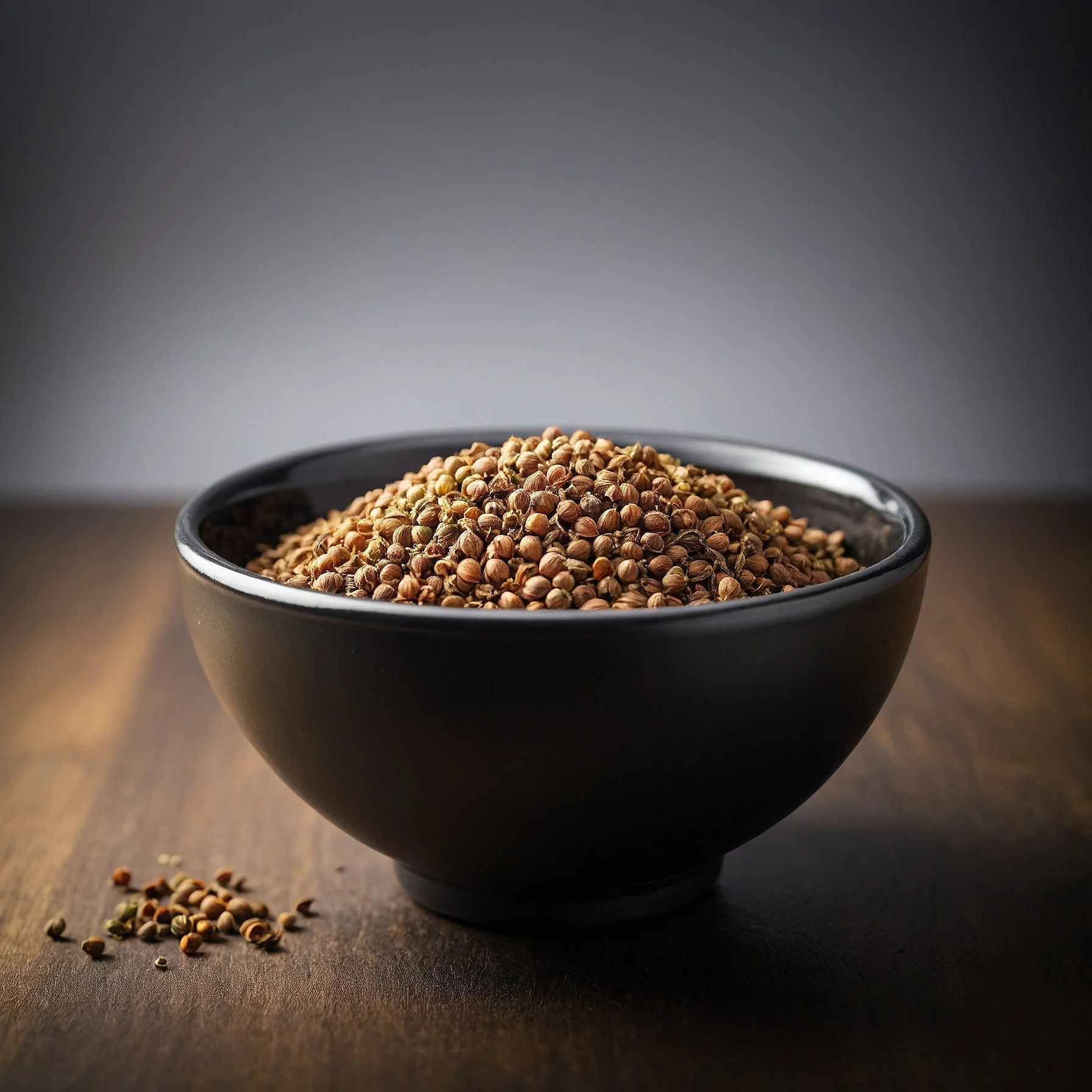
Coriander
Cooling, digestive, and quietly balancing, coriander supports the gut while gently clearing excess heat. Its soft, citrusy flavor brings harmony to soups, vegetables, and spice blends, making food feel lighter and more digestible. I rely on it daily because it calms the body while still adding depth and brightness to meals.
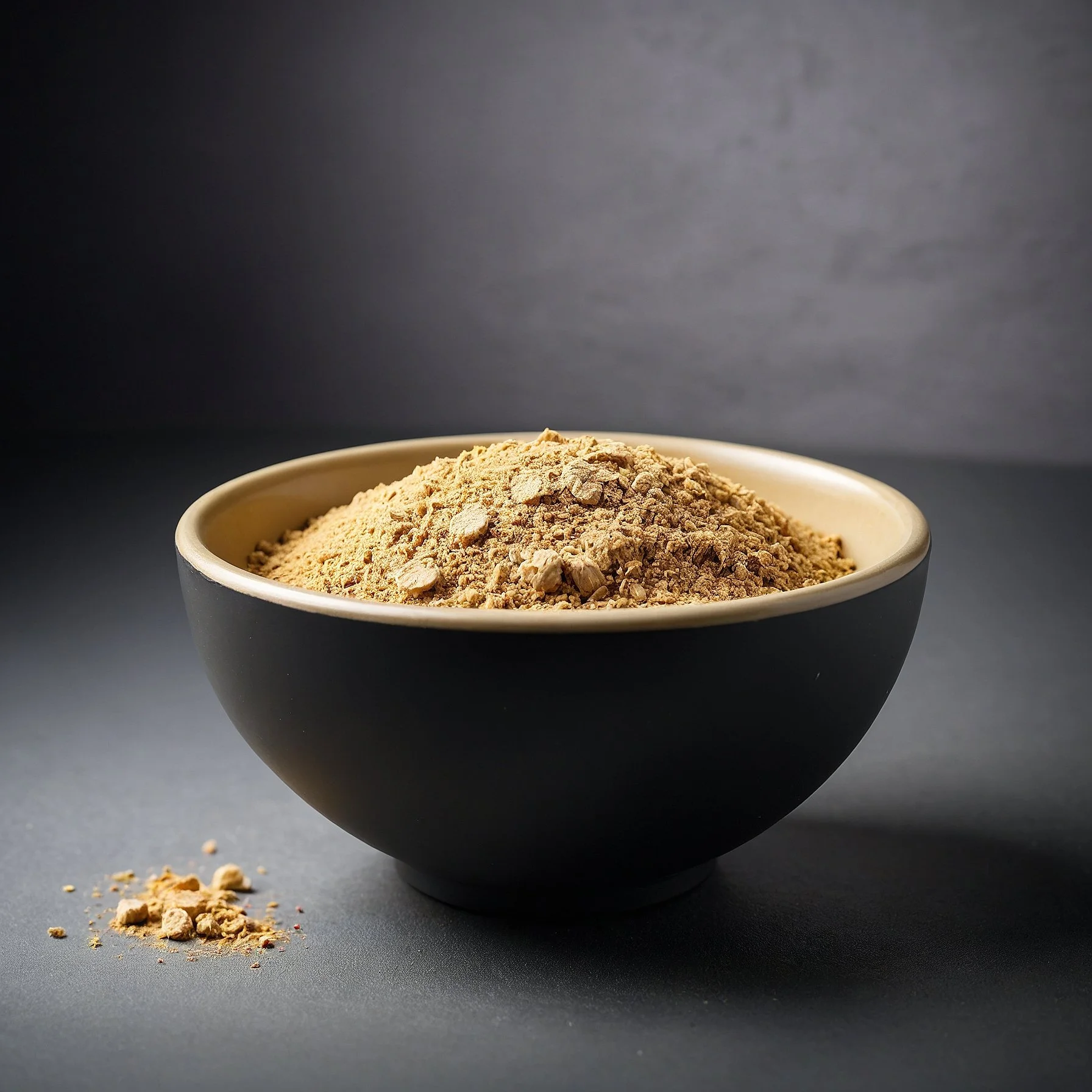
Ginger
Ginger is indispensable. Warming and stimulating, ginger supports digestion, circulation, and vitality. Its bright heat brings movement to the body and liveliness to food, making meals feel comforting yet energizing. This is one of the spices I reach for constantly, in both simple dishes and long-simmered meals.
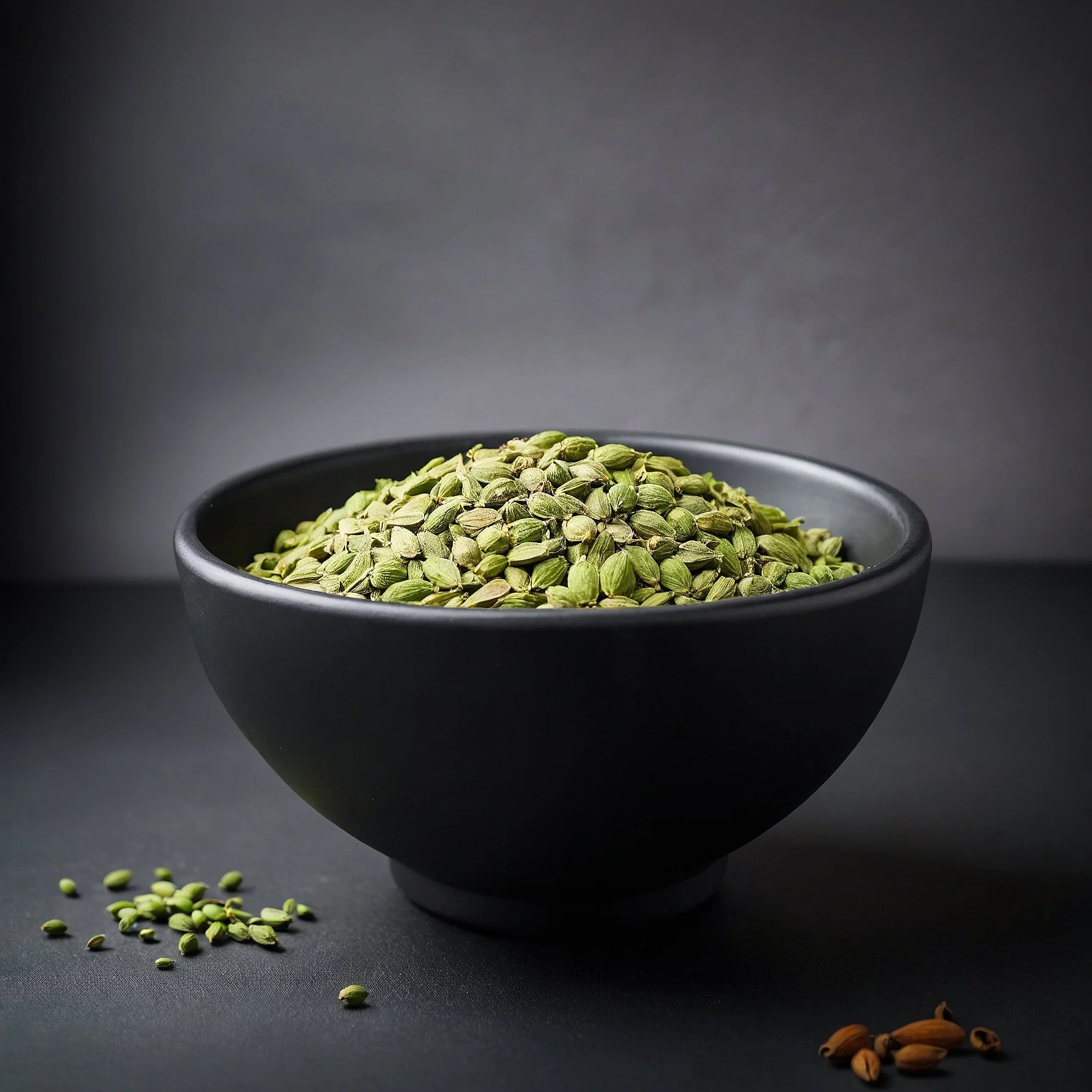
Cardamom Pods
Cardamom is elegant and expansive. Floral, warming, and gently stimulating, it supports digestion, breath, and mood. A little transforms everything it touches. I keep it whole because cracking the pods fresh releases something almost ceremonial.

Cumin
Warming and grounding, cumin strengthens digestion and metabolic fire, helping the body fully assimilate nourishment. Its earthy, familiar flavor forms the backbone of countless dishes, adding depth and steadiness. This is one of those spices that makes food feel complete and deeply sustaining.
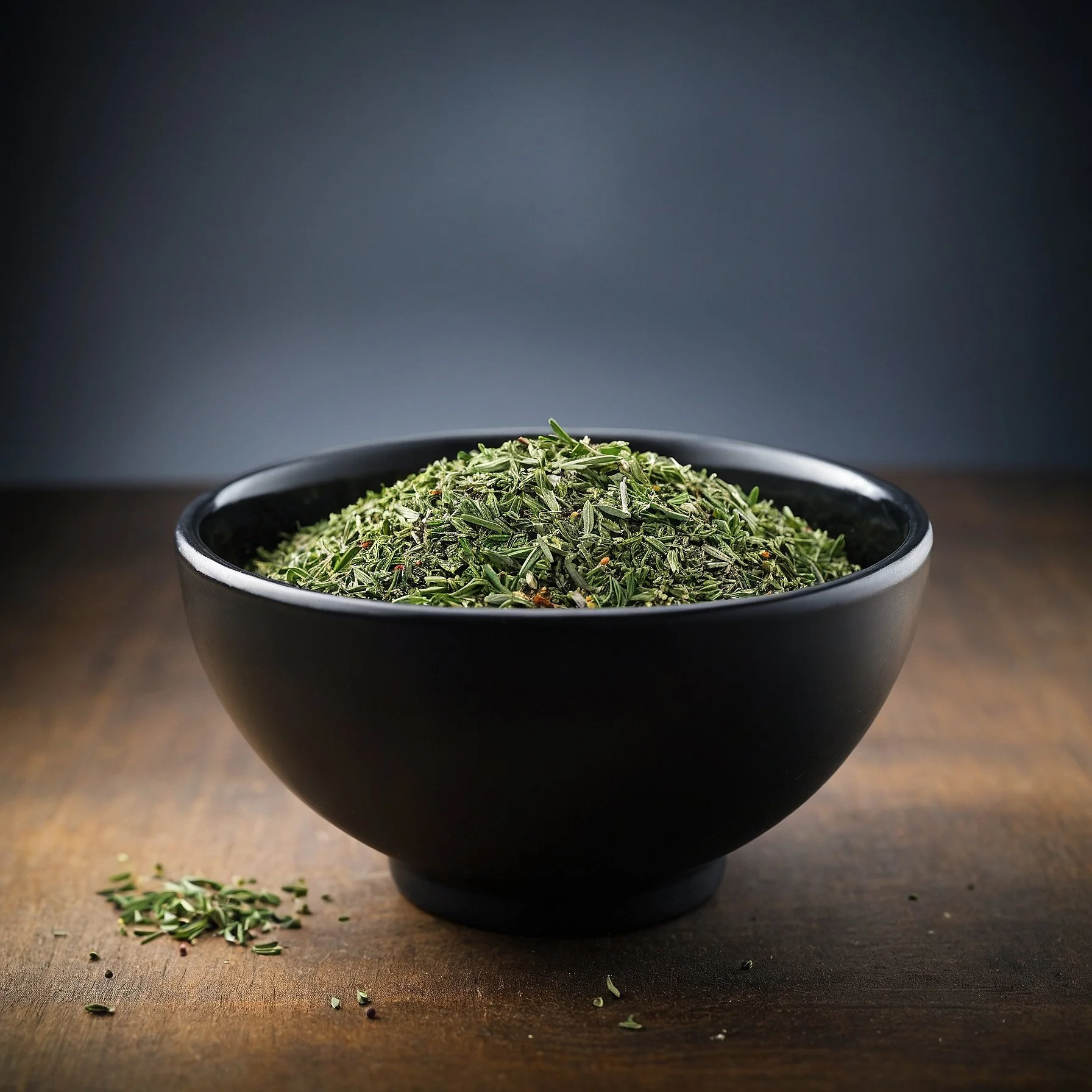
Rosemary
Rosemary is clarity in plant form. Aromatic and uplifting, it supports focus, circulation, and nervous system balance while adding unmistakable character to food. I love how it bridges the kitchen and the apothecary. It feels protective, intelligent, and alive.
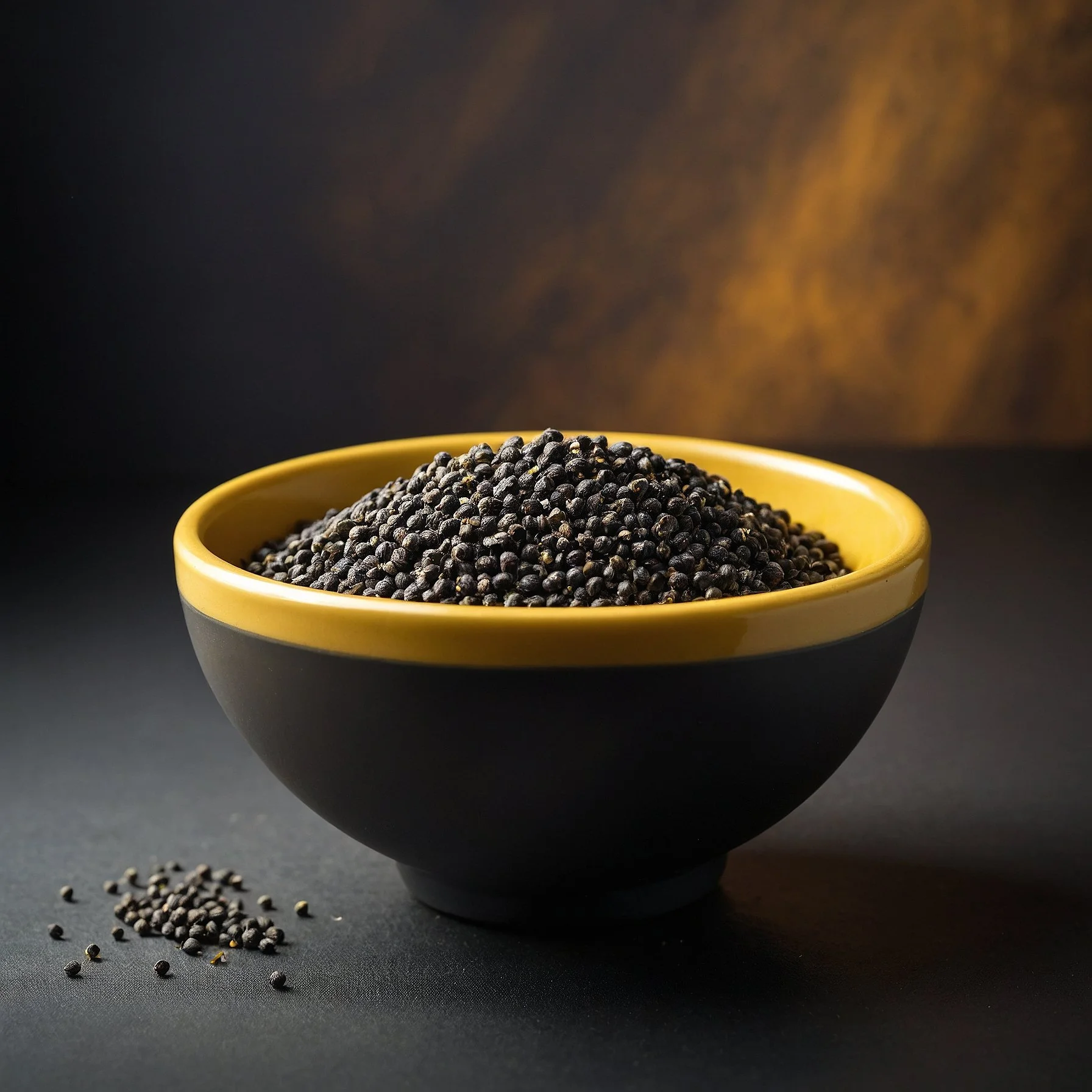
Black Mustard Seeds
Black mustard seeds are bold and awakening. They stimulate digestion, circulation, and metabolic fire, adding depth and intention to meals. Used sparingly, they bring strength and momentum. I love them for their honesty and their ability to wake things up.

Turmeric
Deeply restorative and grounding, turmeric supports inflammation balance, liver health, and resilience over time. Beyond its golden color, it adds warmth and quiet strength to everyday cooking. I use it intentionally, pairing it with other spices so its benefits are both potent and digestible.
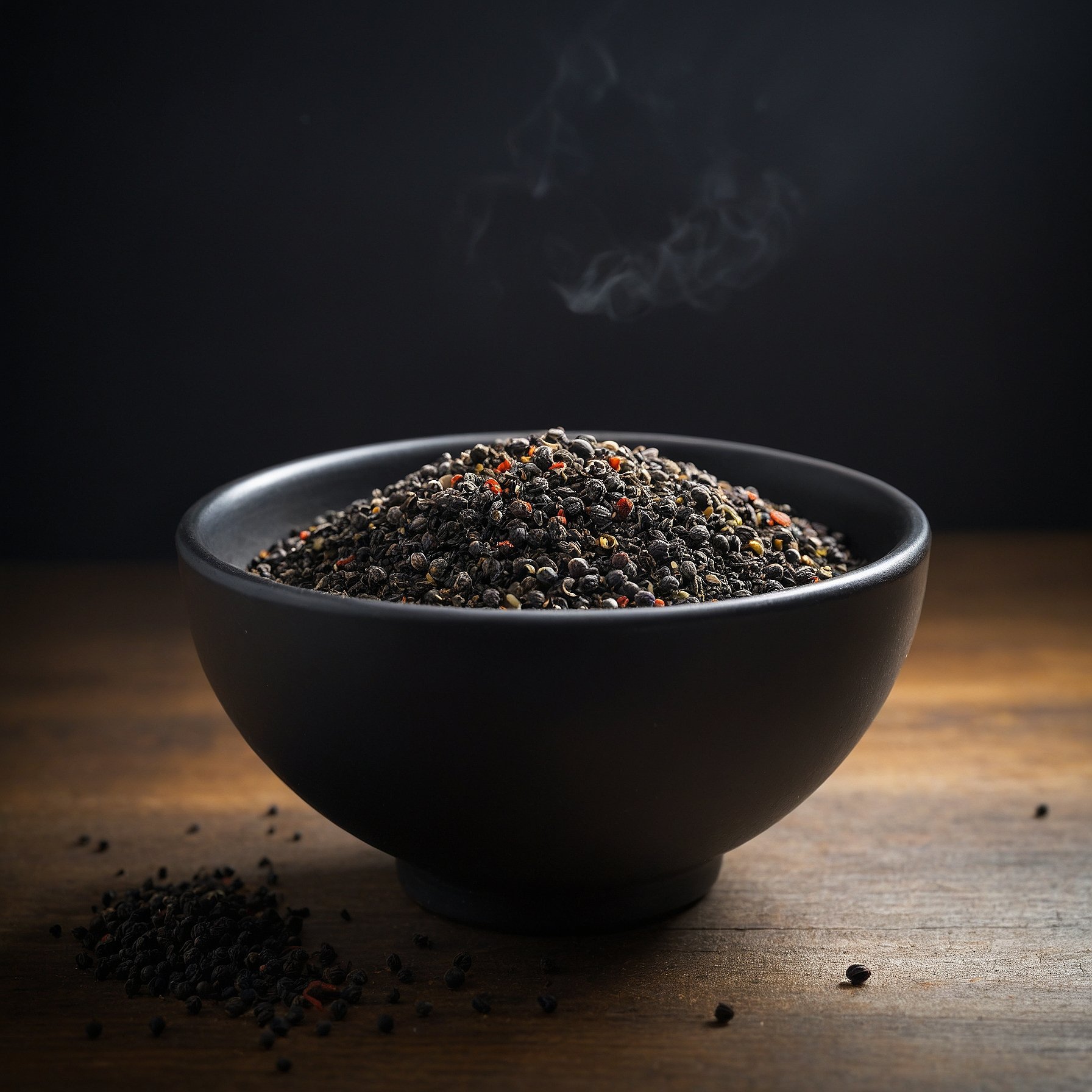
Black Pepper
Black pepper is the activator. Sharp, warming, and clarifying, it enhances digestion and increases the bioavailability of other spices, especially turmeric. A small amount goes a long way. I think of it as the spark that helps everything else work better.
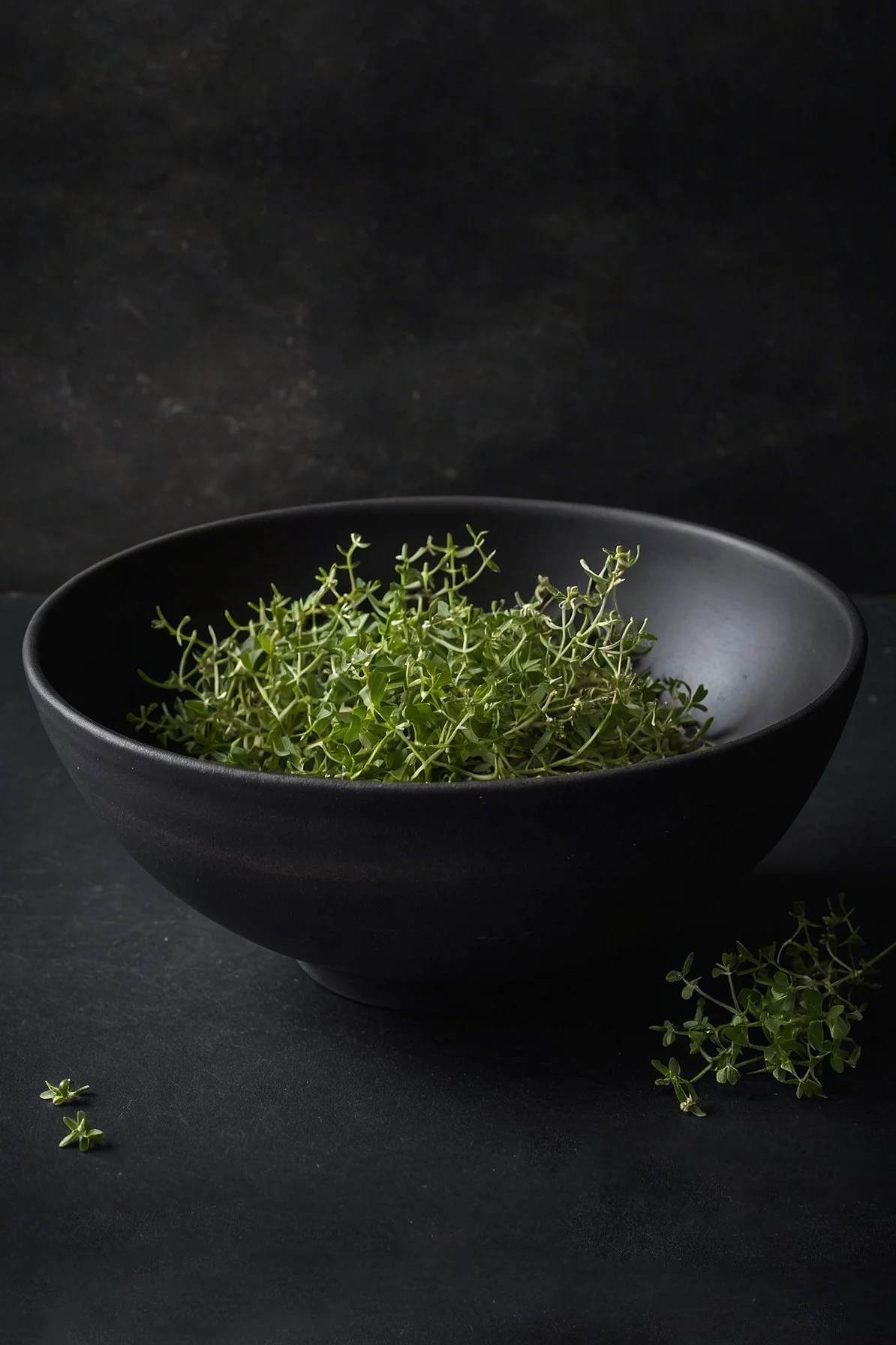
Thyme
Warming and clarifying, thyme supports digestion, circulation, and respiratory health. It adds depth without heaviness and brings steadiness to savory dishes. I reach for thyme when food needs grounding and strength, especially in simple, everyday meals.
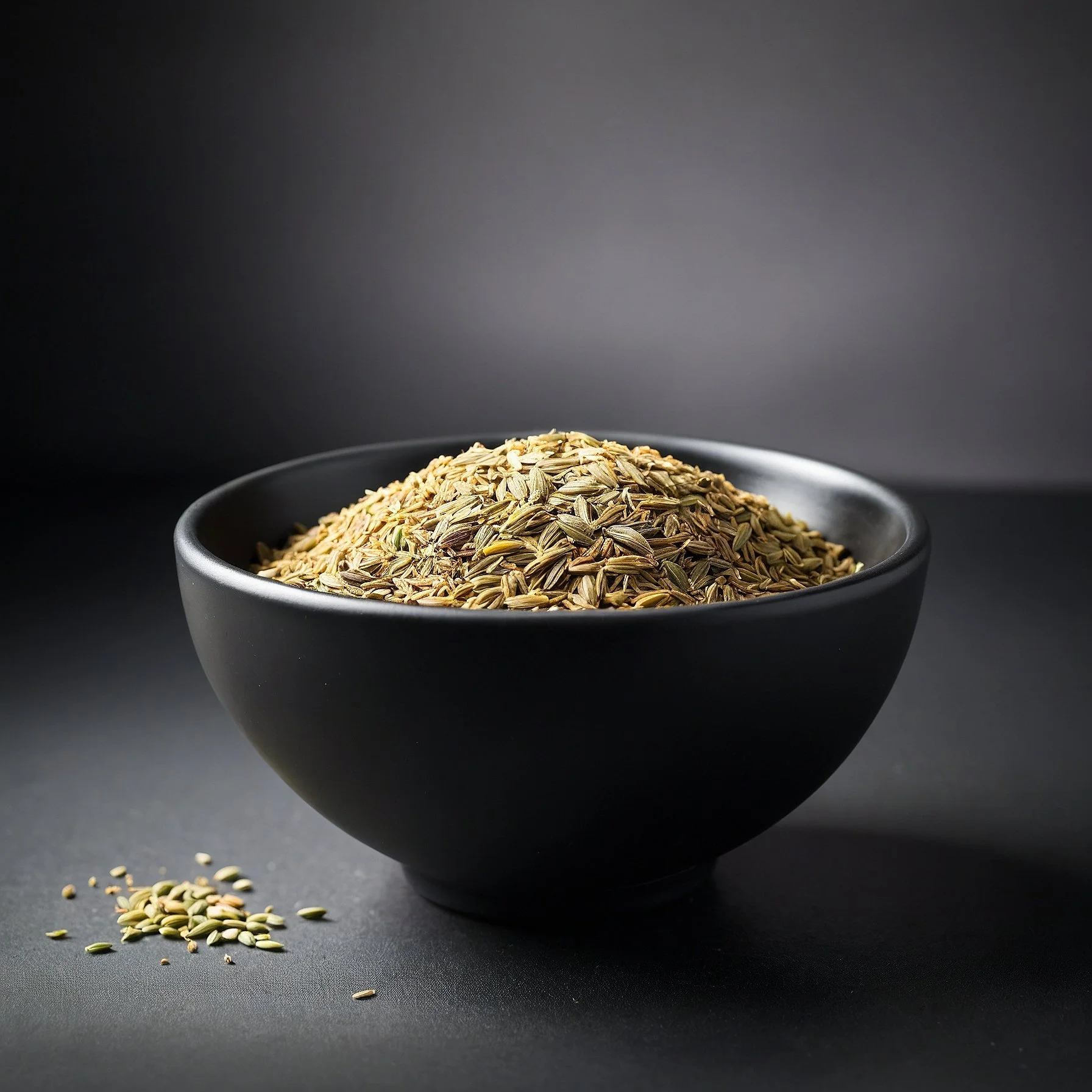
Fennel
Sweet, aromatic, and soothing, fennel is my go-to for calming the digestive system and easing tension in the body. It brings lightness without stimulation and softness without dulling flavor. I love it for its ability to make meals feel gentle and expansive at the same time.
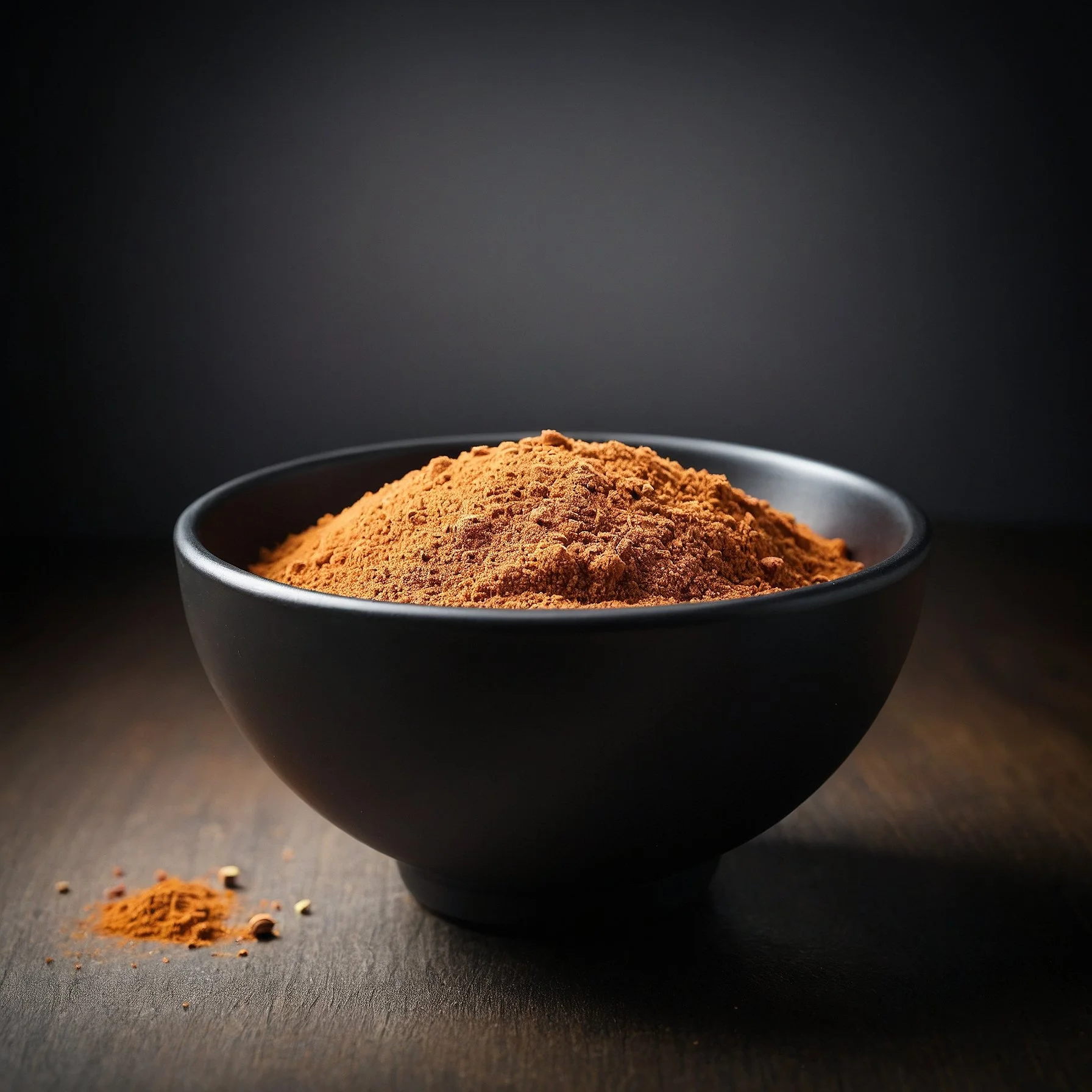
Cinnamon
Cinnamon is warmth and sweetness with structure. It supports blood sugar balance, digestion, and circulation while making food feel comforting and familiar. I use it far beyond desserts. It has a quiet strength that anchors both flavor and the nervous system.
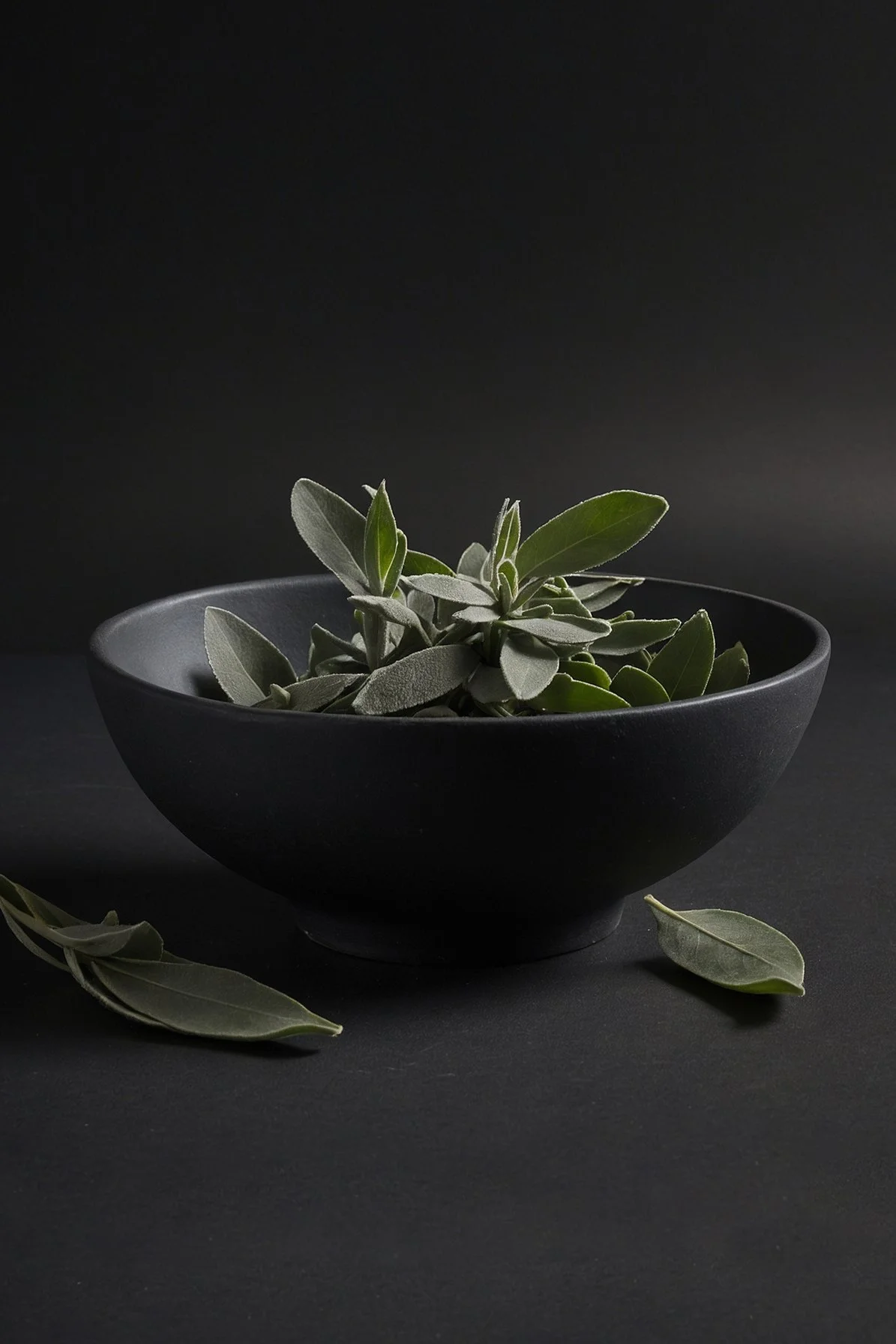
Sage
Drying and warming, sage supports digestion and nervous system clarity. Its strong, earthy flavor encourages restraint and intention in cooking. I use sage when a dish needs focus and depth rather than complexity. A little is enough.
How I Use These Spices Every Day
Ayurvedic cooking doesn’t require complex recipes or perfect combinations. Most days, it’s about supporting digestion first, then letting flavor follow.
This is the simple framework I come back to again and again:
Start with digestion:
cumin, coriander, and fennel form a gentle, reliable base for most meals.
Add warmth or movement:
ginger, black pepper, mustard seeds, or a touch of turmeric when food needs energy or circulation.
Soften or sweeten:
cinnamon or cardamom when a dish needs warmth without heat, or a sense of comfort and roundness.
Finish with character:
rosemary, thyme, or sage for depth, grounding, and direction.
If a meal feels good in the body, it’s doing its job.
You don’t need all of these every time. A few used well is enough.

Common Ground
The blend I made for myself—and now use on almost everything.
I created this blend during my herbalism training as a way to simplify everyday cooking without losing the digestive intelligence of Ayurveda.
It brings together cumin, coriander, fennel, turmeric, rosemary, black pepper, and salt in proportions that support digestion while making food taste deeply satisfying.
This is the blend I reach for when I don’t want to think, measure, or overdo it—and I still want the meal to feel good in my body.
Supports digestion and assimilation
Grounding without being heavy
Works with vegetables, grains, eggs, soups, roasted foods, chicken, pork, beef, fish- you name it!
Designed for everyday meals, not special occasions
Dosha-friendly notes:
Vata: lovely with warm, cooked foods and healthy fats
Pitta: use more lightly; pair with cooling foods
Kapha: use generously to add warmth and movement
What I Actually Cook in a Typical Winter Week
Grounding, seasonal meals I return to again and again.
Ginger Oatmeal with Stewed Fruit & Ghee
For one generous serving
This is my go-to winter breakfast when I want something warming, grounding, and easy to digest. The specific fruit can change, but the ginger, spices, and ghee are what make this feel supportive in the body.
Ingredients
½ cup rolled oats
1 cup water
½ cup diced apple or other fruit (dates, cranberries, raisins, pears, or whatever you have)
1 tsp fresh ginger, finely grated (If you don’t have fresh ginger, use ¼ tsp ground ginger instead)
½ tsp cinnamon
½ tsp turmeric
¼ tsp cardamom
Pinch of salt
Splash of oat milk (to finish)
Honey, to taste
1–2 tsp ghee (to finish)
How I make it
In a small pot, combine the water, diced fruit, fresh ginger, and a pinch of salt. Bring to a gentle simmer and cook for a few minutes to soften the fruit and infuse the ginger.
Add the oats and cook slowly until soft and creamy, stirring occasionally.
Once the oats are cooked, turn off the heat and stir in the cinnamon, turmeric, and cardamom.
Finish with a splash of oat milk, a spoon of ghee, and honey to taste.
Why this works
Starting the morning with warm, cooked food and gentle spices supports digestion and steadiness. The ginger helps wake up digestion, the spices add warmth without heaviness, and the ghee nourishes and grounds.

Everyday Vegetable & Chicken Curry
with Rice or Quinoa
For 2–3 servings
This is the meal I make most often when I want something nourishing, grounding, and forgiving. The vegetables change depending on the season and what’s in the fridge, but the structure stays the same.
Ingredients
1 lb chicken (thighs or breasts), cut into bite-sized pieces
1 tbsp coconut oil or ghee
1 small yellow onion, diced
2 cloves garlic, minced
1 tbsp fresh ginger, grated
1 small fennel bulb, sliced (optional but lovely)
1–2 zucchini, chopped
1 cup baby broccoli or florets
1 cup peas (fresh or frozen)
2 cups chopped kale or other sturdy greens
Spices (choose one option):
Option 1: Individual spices
1½ tsp ground cumin
1½ tsp ground coriander
1 tsp ground fennel seed
½ tsp turmeric
¼–½ tsp black pepper
Salt, to taste
Option 2: Common Ground Spice Blend
2–3 tsp Common Ground Spice Blend
Salt, if needed
Liquids
1 can (13.5 oz) full-fat coconut milk
1 -2 cups bone broth (as needed)
For serving
Cooked rice or quinoa
Fresh herbs or a squeeze of lemon (optional)
How I make it
Heat the coconut oil or ghee in a wide pot over medium heat. Add the onion and cook until soft and translucent.
Add the garlic and fresh ginger and cook for another minute, just until fragrant.
Add the chicken, season lightly with salt, and cook until just opaque.
Stir in the spices or the Common Ground Spice Blend and let them bloom briefly in the fat.
Add the vegetables, including fennel, zucchini, broccoli, peas, and kale, and stir to coat everything in the spices. (You can use any veggies you have on hand or love as replacements)
Pour in the coconut milk and enough bone broth to create a loose, spoonable curry.
Simmer gently until the vegetables are very tender and the chicken is cooked through. Adjust salt to taste.
Serve warm over rice or quinoa.
Why this works
Cooked vegetables, protein, warming spices, and healthy fats make this meal deeply satisfying without being heavy. Cooking the greens longer softens their texture and supports easier digestion, especially in cooler seasons.

Beef Stew with Sweet Potatoes, Celery, Greens & Herbs
slow-simmered and deeply grounding
For 3–4 servings
This is the stew I make when I want something steadying, warming, and deeply nourishing. It shares the same digestive backbone as the curry but leans more earthy and herb-forward, with a longer cook that makes the beef tender and the vegetables soft and easy to digest.
Ingredients
1½ lbs beef stew meat (chuck works best)
Salt and black pepper
1 tbsp balsamic vinegar
1 tbsp olive oil or ghee
1 medium yellow onion, diced
3 cloves garlic, minced
1 tbsp fresh ginger, grated
2–3 celery stalks, sliced
1 large sweet potato, peeled and chopped
1 carrot, chopped
2–3 cups chopped kale or spinach
Spices (choose one option):
Option 1: Individual spices
1½ tsp ground cumin
1½ tsp ground coriander
1 tsp ground fennel seed
½ tsp turmeric
¼–½ tsp black pepper
Option 2: Common Ground Spice Blend
2–3 tsp Common Ground Spice Blend
Fresh herbs
1–2 tsp fresh rosemary, finely chopped
1–2 tsp fresh thyme leaves
½–1 tsp fresh sage, finely chopped
1 bay leaf
Liquids
4–5 cups bone broth (beef or chicken)
How I make it
Season the beef first. Place the beef in a bowl and season generously with salt and black pepper. Drizzle with the balsamic vinegar, toss well, and let it sit while you prep the vegetables.
Heat the oil or ghee in a heavy pot over medium heat. Brown the beef in batches so it develops good color. Remove and set aside.
In the same pot, add the onion and celery and cook until softened, scraping up any browned bits from the bottom.
Add the garlic and fresh ginger and cook briefly, just until fragrant.
Stir in the spices or the Common Ground Spice Blend along with the fresh herbs and let everything bloom for a minute in the fat.
Return the beef to the pot, then add the sweet potato, carrot, bay leaf, and bone broth. The liquid should just cover everything.
Bring to a gentle simmer, then reduce heat, cover, and cook slowly for 1½–2 hours, until the beef is very tender and the vegetables are soft.
Add the kale or spinach and continue cooking until fully softened. Adjust salt and pepper to taste.
How this makes the beef tender
Salting the meat ahead of time helps it retain moisture
A small amount of balsamic vinegar gently breaks down connective tissue
Browning adds flavor without toughening
A low, steady simmer does the real work
Why this works
Slow-cooked protein, lots of vegetables, warming spices, and mineral-rich bone broth create a meal that supports strength, digestion, and steadiness. Everything is cooked until soft and cohesive, which makes this especially grounding and easy on the system.

Long-Simmered Poultry Bone Broth
A living kitchen staple
Makes a large pot
I make bone broth regularly using chicken bones or a full turkey carcass, often with meat and skin still attached. It’s never exactly the same twice. What matters most is time, mineral-rich bones, and letting the broth deepen slowly. The longer it cooks, the better it gets.
This is less a recipe and more a method I return to again and again.
What I start with
Chicken bones or a full turkey carcass
(meat and skin left on is welcome and adds flavor)Filtered water, enough to fully cover
Salt and black pepper
Aromatics & fresh herbs
(Use generously. I do.)
Fresh herb bundles: sage, rosemary, and thyme
(I often use full store-bought packs)Garlic: 10–20 whole cloves
Fresh ginger, sliced
Fresh turmeric, sliced (optional)
Spices
(Add what you have. This is intentionally flexible.)
2–3 cinnamon sticks
3–4 star anise
Cumin seeds
Coriander seeds
Fennel seeds
A pinch of nutmeg
A pinch of cayenne
How I make it
Build the pot.
Place the chicken bones or turkey carcass in a very large stockpot. Add the herbs, spices, garlic, ginger, turmeric, salt, and pepper. Cover fully with water.Bring to a gentle simmer.
Slowly bring the pot to a low, steady simmer. This should never be a hard boil.Cook long and slow.
Let the broth simmer for many hours, adding water as it evaporates so the bones remain covered.If you have a convection or electric stovetop, you can safely leave the broth at a very low simmer overnight.
If you’re cooking on a gas stove, I recommend turning the heat off at night and resuming the simmer the next day.When it’s cold enough, I’ll often place the covered pot outside overnight and bring it back to a simmer in the morning.
Midway: break the bones.
About halfway through, strain the broth and remove the bones. Crush or crack them to expose the marrow, then return everything to the pot. (I use my mortar and pestle)I’ll sometimes add more fresh herbs at this stage if I have them.
Continue simmering.
Let the broth cook another full day if possible, adding water as needed. Skim or scrape fat from the surface periodically.Finish gently.
When the broth feels rich and complete, strain it one final time. Stir in fresh lemon juice to taste.
How I serve it
I reheat the broth gently and add a spoonful of fresh ghee to each mug before drinking. Alternatively, I use it as the base for stews, curries, or even a splash to sauteed veggies. It always adds a little medicine and magic, regardless of how you use it.
Why this works
Poultry bones release collagen and minerals readily over long, gentle cooking. Leaving some meat and skin adds richness and depth, while herbs and spices infuse warmth without overpowering the broth. Time does the real work here, not precision.
This is kitchen medicine. It improves the longer you tend it.
A quiet note
Start where you are. Cook it as long as feels safe and manageable in your kitchen, and let your process evolve over time. I never make it quite the same way twice, and every batch gets better and better.
When the broth cools, it will often turn gelatinous. That’s a good sign. It means the collagen has been extracted and the broth is rich and nourishing. When reheated, it will thin out again and return to liquid.
There’s no rush.

A quiet note on balance
In Ayurveda, food is less about labels and more about response.
Vata tends to need warmth, moisture, and grounding.
Pitta often does best with simplicity, cooling foods, and moderation.
Kapha usually benefits from lightness, spice, and movement.
These aren’t rules. They’re starting points.
The real question is always the same: How does this meal feel in your body afterward?
If it nourishes, settles, and sustains you, it’s doing its job.